Latest posts
-
How to read a bag of coffee
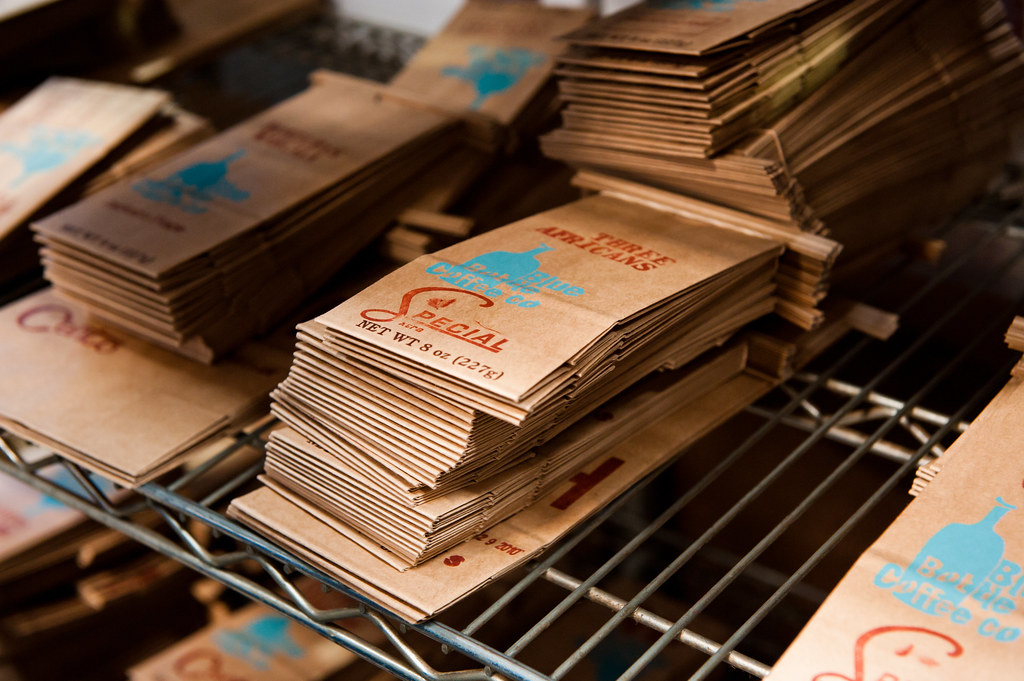
Roast date, origin specificity, processing, variety, altitude, certification marks. Which claims on a coffee bag are information and which are copy.
-
Shade coffee alone doesn’t hold the forest specialists
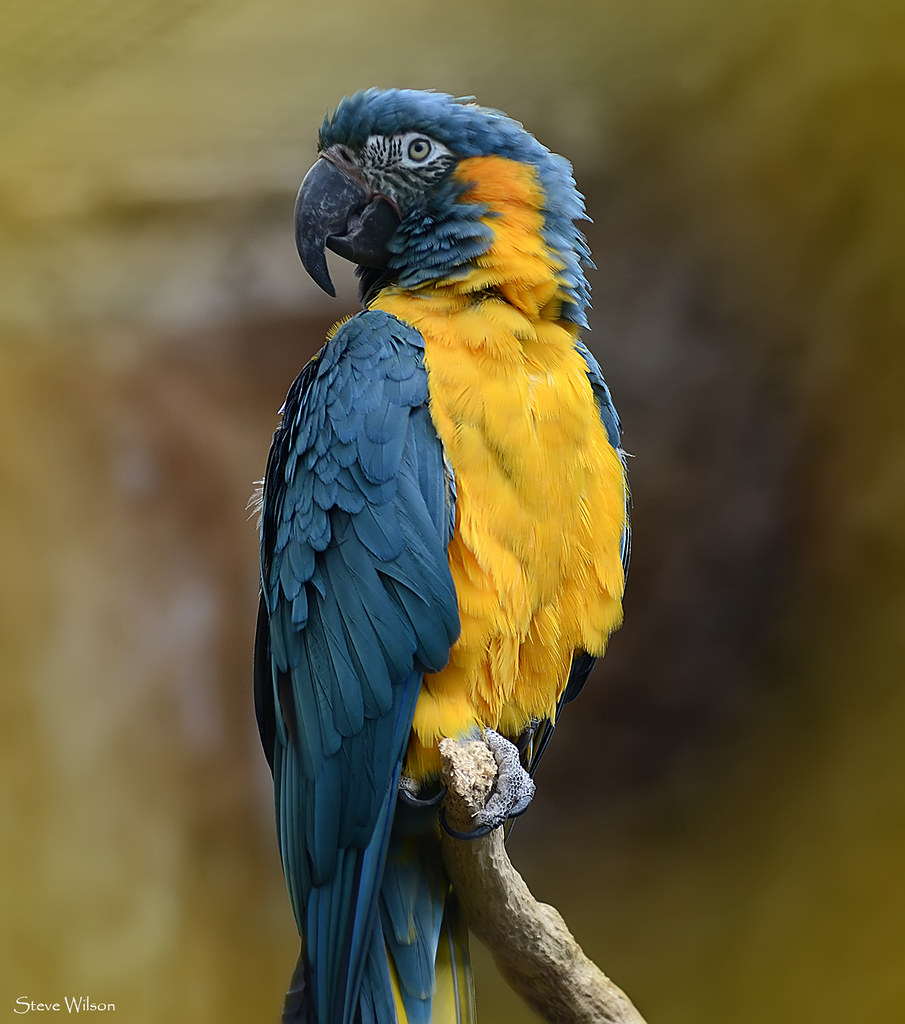
A Colombian Andes study finds forest specialists need more than 32% forest cover within 2 km. On-farm canopy still helped most other bird guilds.
-
Decaf is better than its reputation, and the reasons matter
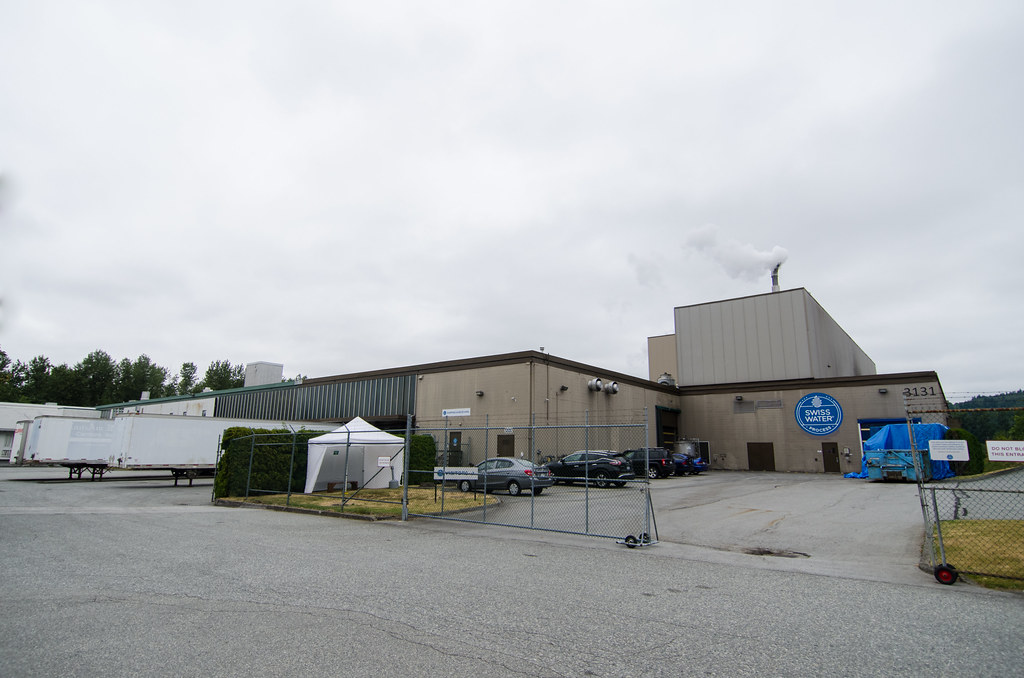
Opinion: the processes improved and so did the coffee going into them. What each method does, where the chemicals objection lands, and what it costs.
-
The 11-country effort to breed a tougher coffee tree
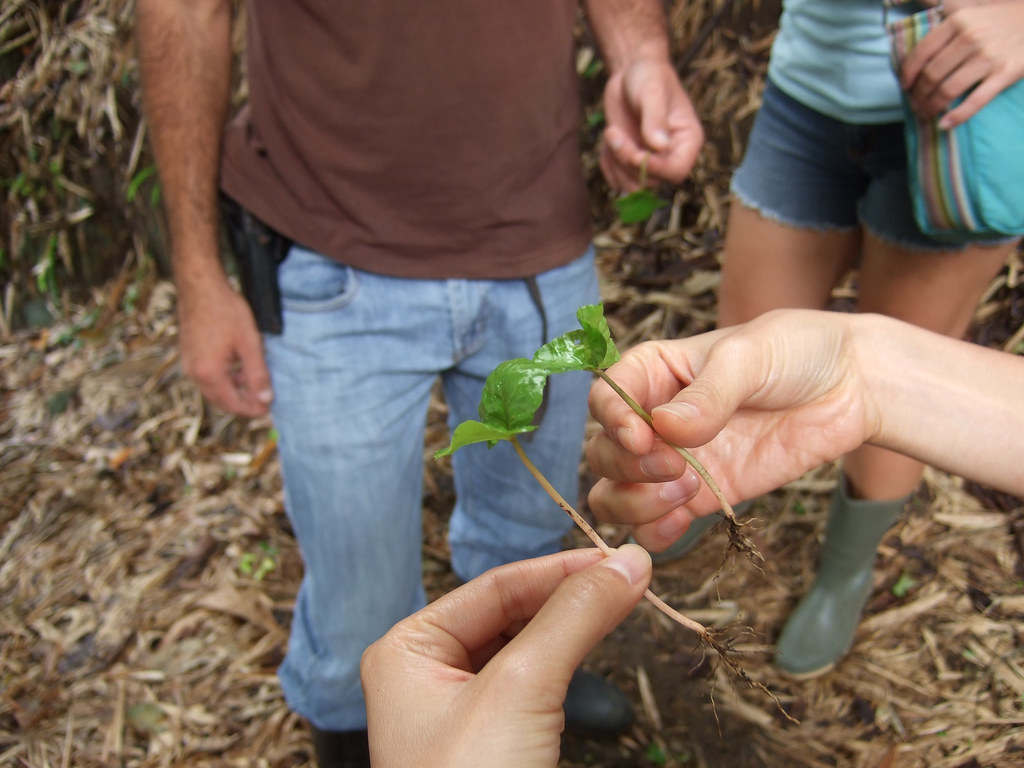
World Coffee Research’s Innovea network spans 11 countries and 40% of world supply. The first trees ship in 2027, and seed systems are the real constraint.
-
The reusable cup is not the point

Opinion: life-cycle assessments put most of a coffee drink’s footprint on the farm and in the dairy. The cup is real, small, and getting most of the attention.
-
Spent coffee grounds: what actually works
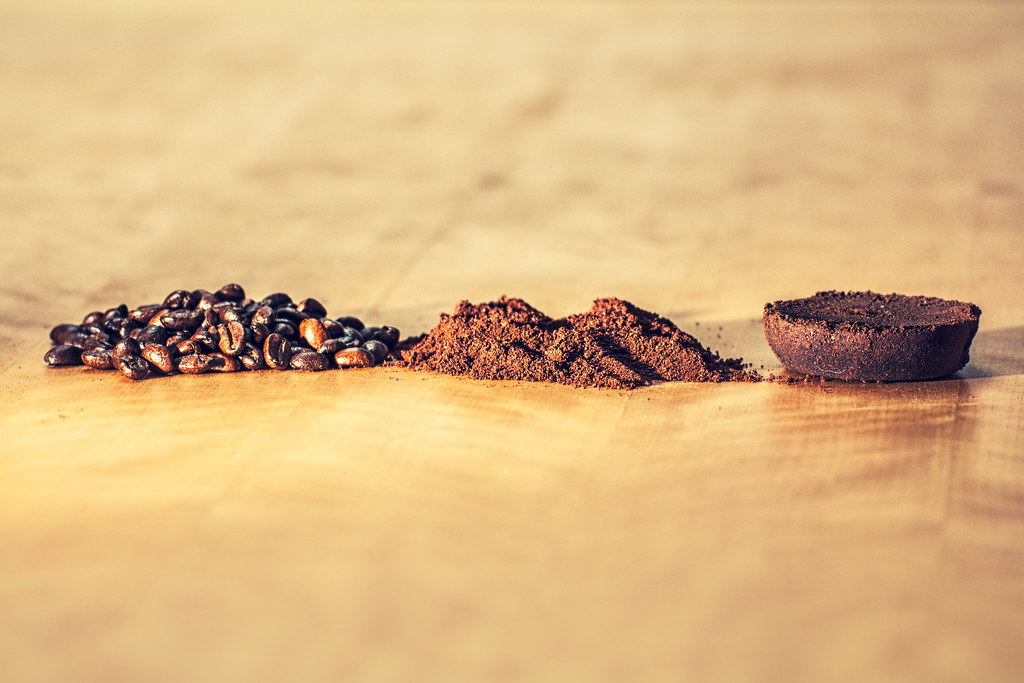
Grounds are a nitrogen-rich green, not a brown. Composting works; the fertilizer, pH and slug claims do not. What research is doing with them at scale.
-
The case for the small cup

Volume and attention pull against each other. What a smaller serving does to the drink, to the habit, and to what you get for the money.
-
How coffee is actually drunk, country by country

Italian counters, the Ethiopian jebena, Swedish fika, the phin and condensed milk, and the soluble sachet that most coffee writing pretends away.
-
What the coffee pod life-cycle studies actually compare
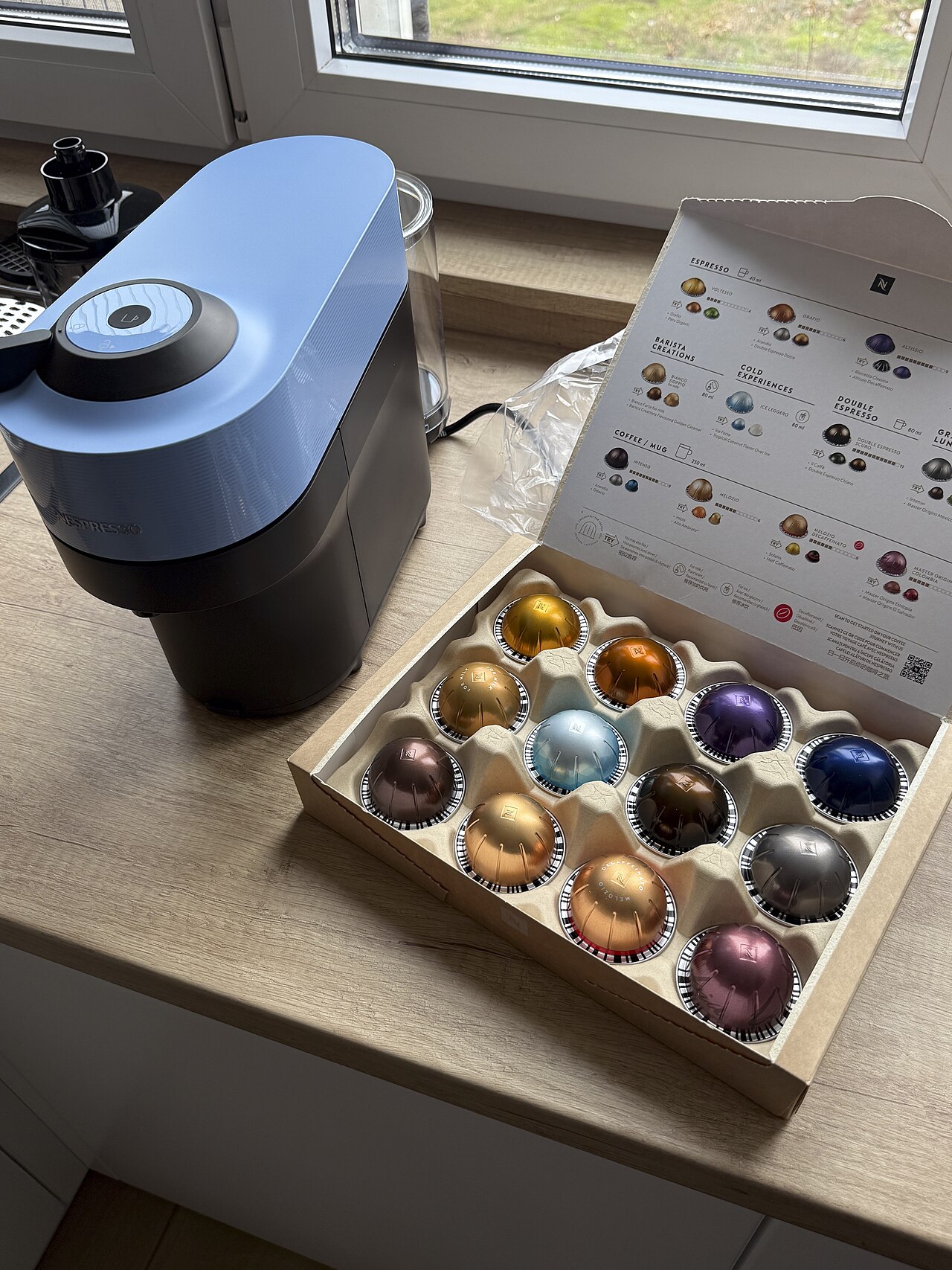
A Wageningen assessment ranked compostable, aluminum, and plastic capsules against each other. What it found, and the question it never asked.
-
What actually stales coffee, and what freezing does about it
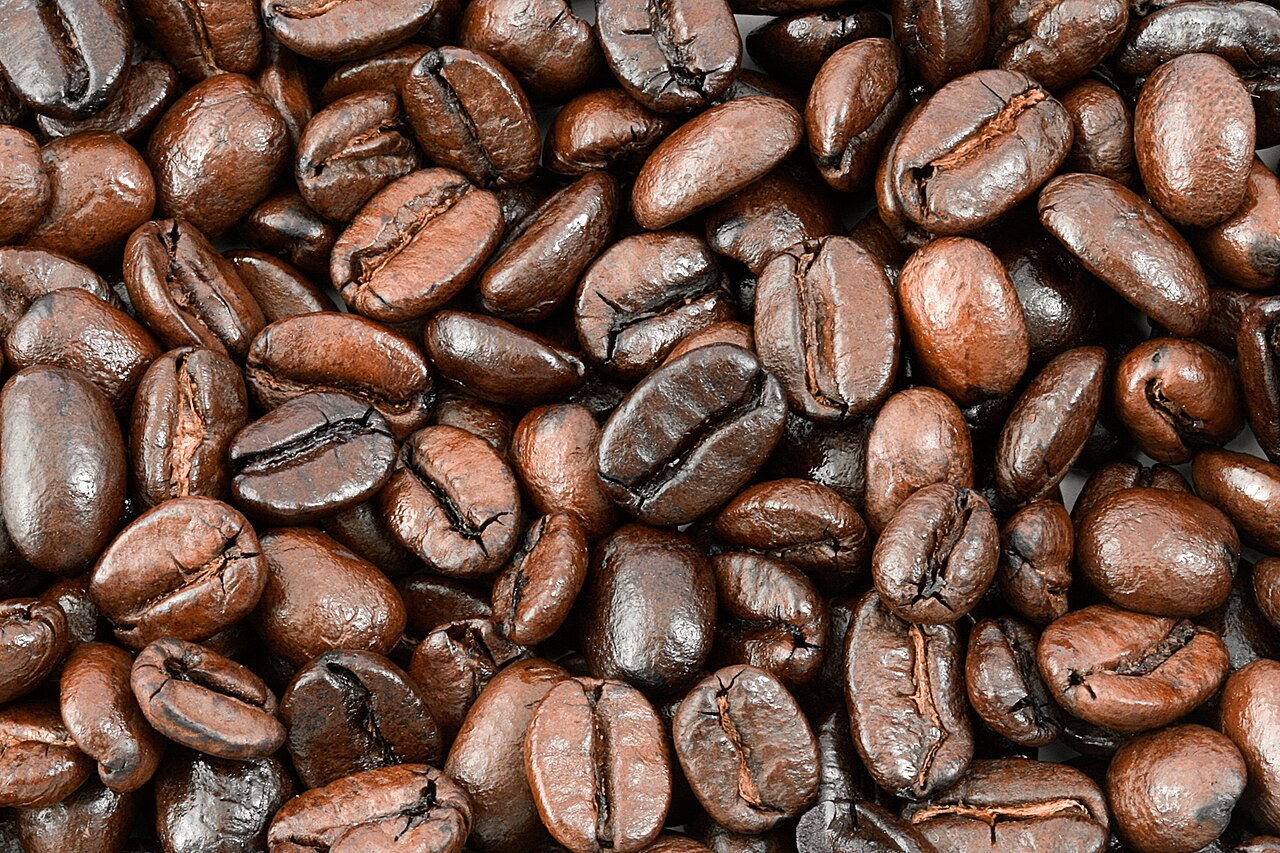
Degassing and oxidation are two processes on two clocks. What the measurements show about whole beans, valves, oxygen, and the freezer.
-
What honey and sugar each cost to produce
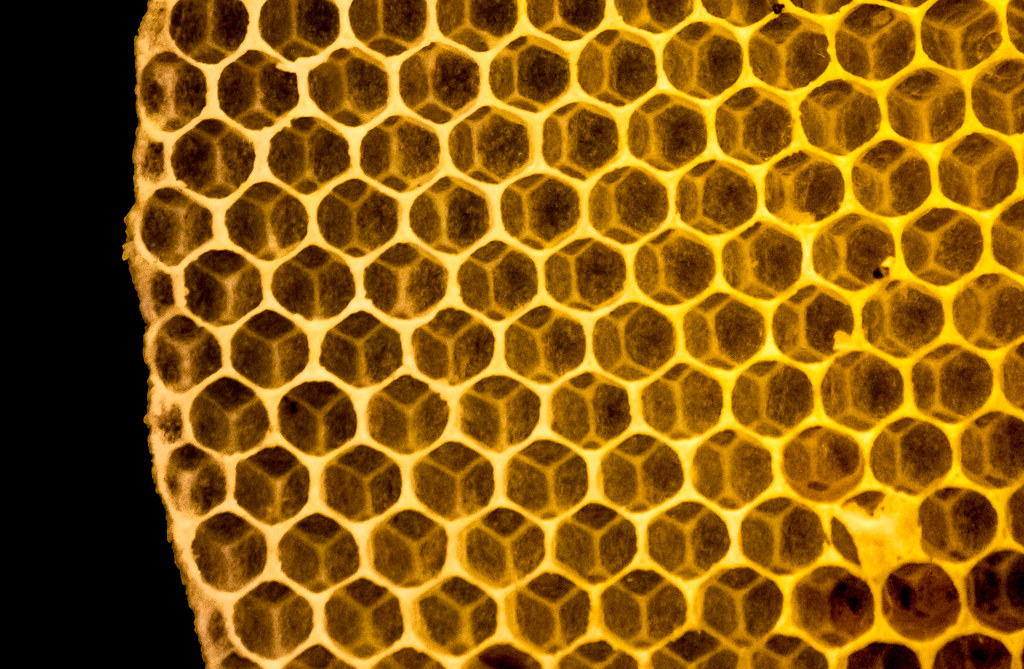
The carbon ranges overlap almost completely. The real differences are land, allocation, and the fact that managed honeybees are livestock, not wildlife.
-
Cold brew is the most forgiving coffee you can make
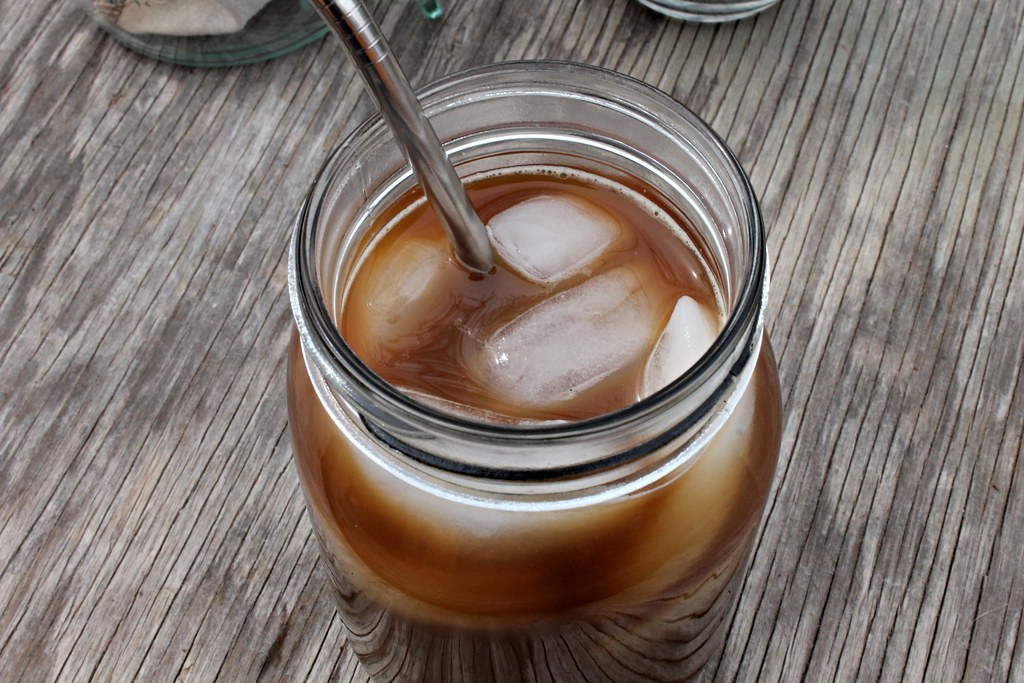
A 1:8 concentrate, a wide steeping window, and the extraction chemistry that makes cold brew tolerant of imprecision and good for aging beans.