Recipes & brew guides
Drinks worth making at home, things worth eating alongside them, and what to do with the grounds afterward.
Every method here has been made in an ordinary kitchen with ordinary equipment. Where a recipe calls for a scale we say so, and where it genuinely doesn’t matter we say that too. Quantities are given in grams first because coffee is one of the few things at home where weighing actually changes the result — and in spoons and cups after, because most people won’t.
In the kitchen
-
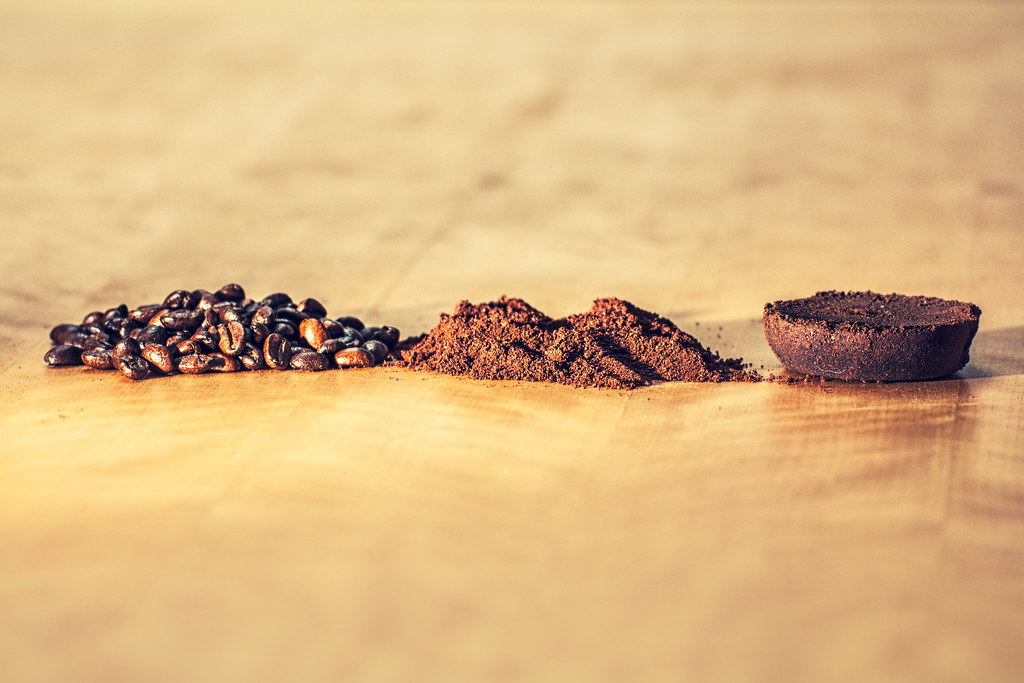
Spent coffee grounds: what actually works
Grounds are a nitrogen-rich green, not a brown. Composting works; the fertilizer, pH and slug claims do not. What research is doing…
-
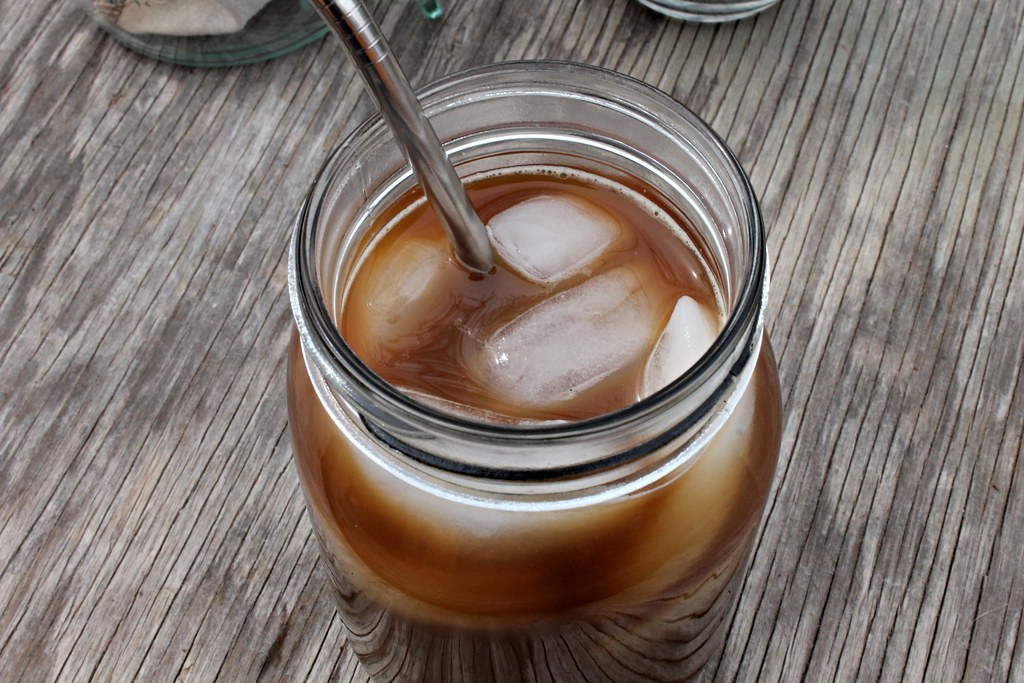
Cold brew is the most forgiving coffee you can make
A 1:8 concentrate, a wide steeping window, and the extraction chemistry that makes cold brew tolerant of imprecision and good for aging…
-
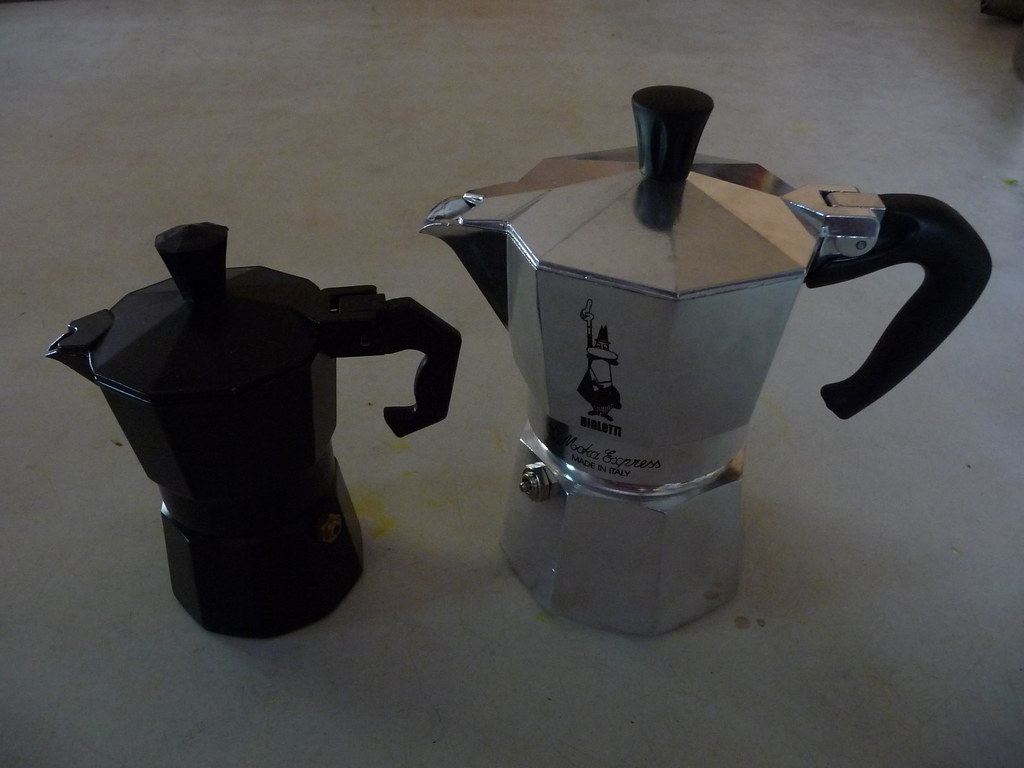
A moka pot method that stops before the coffee burns
Hot water in the base, a level basket, medium-low heat, and off the burner at the first gurgle. What the measurements say…
Method and gear
-
How to read a bag of coffee
Roast date, origin specificity, processing, variety, altitude, certification marks. Which claims on a coffee bag are information and which are copy.
-
What actually stales coffee, and what freezing does about it
Degassing and oxidation are two processes on two clocks. What the measurements show about whole beans, valves, oxygen, and the freezer.
-
Water is 98% of your coffee, and two numbers describe it
Total hardness and alkalinity are separate variables. What each does to extraction, why high alkalinity flattens acidity, and why distilled water fails…
-
Paper or metal filter: what changes in the cup
Paper filters hold back the diterpenes that raise LDL cholesterol. Metal filters do not. What that costs, what it buys, and how…